










|
Кількість
|
Вартість
|
||
|
|
|||
|
|
|||
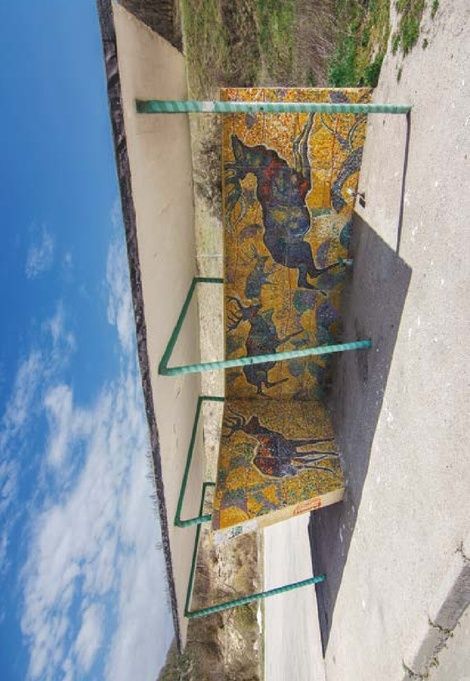
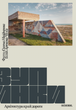
In The Stops. Ukraine’s Roadside Architecture, the Ukrainian photographer and chronicler of public space Yevgen Nikiforov invites readers into an unexpected landscape—the bus stop. Across ten years and countless kilometers, Nikiforov has crisscrossed Ukraine, capturing these modest structures in all their idiosyncratic charm. From over a thousand documented examples, this volume distills some two hundred of the most evocative, peculiar, and poignant.
More than mere transit points, these roadside shelters are distilled theatres of the everyday—spaces of quiet pause and fleeting contact. Their forms range from the austere to the fantastical, each one a small monument to local whim, weather, and wear. Through Nikiforov’s lens, they become emblems of waiting—not only for a bus, but for time itself to shift, or for life to arrive.
Accompanying the images is a lyrical, meditative essay by Ukrainian writer and soldier Artem Chekh, entitled “To Ease Up”. Written during a time of both personal and national upheaval, Chekh’s reflection unfolds like a road: wandering through memory, solitude, the tenderness of love, and the unrelenting presence of death.
There is a melancholy woven through the pages. Some of these stops—humble and concrete, defiant in their quietness—have already disappeared, victims of decay, neglect, or war. Yet photography, with its stubborn urge to preserve, offers a kind of permanence: a record of places that once were, and that in some way, still are.